Anyone arriving in Demre today sees endless greenhouses and a fertile plain. Yet people used to build their homes not on the plain but on the mountain slopes. My grandparents lived up in Köşkerler; every day they walked down to work the fields and climbed back home in the evening.
When I asked my mother why, her answer was simple: the Demre stream would flood at least every three or four years, leaving the whole plain under water. Building on the plain was dangerous. The same stream is what made Demre rich: each flood carried fertile soil down from the mountains and spread it across the plain, which is why it's so productive.
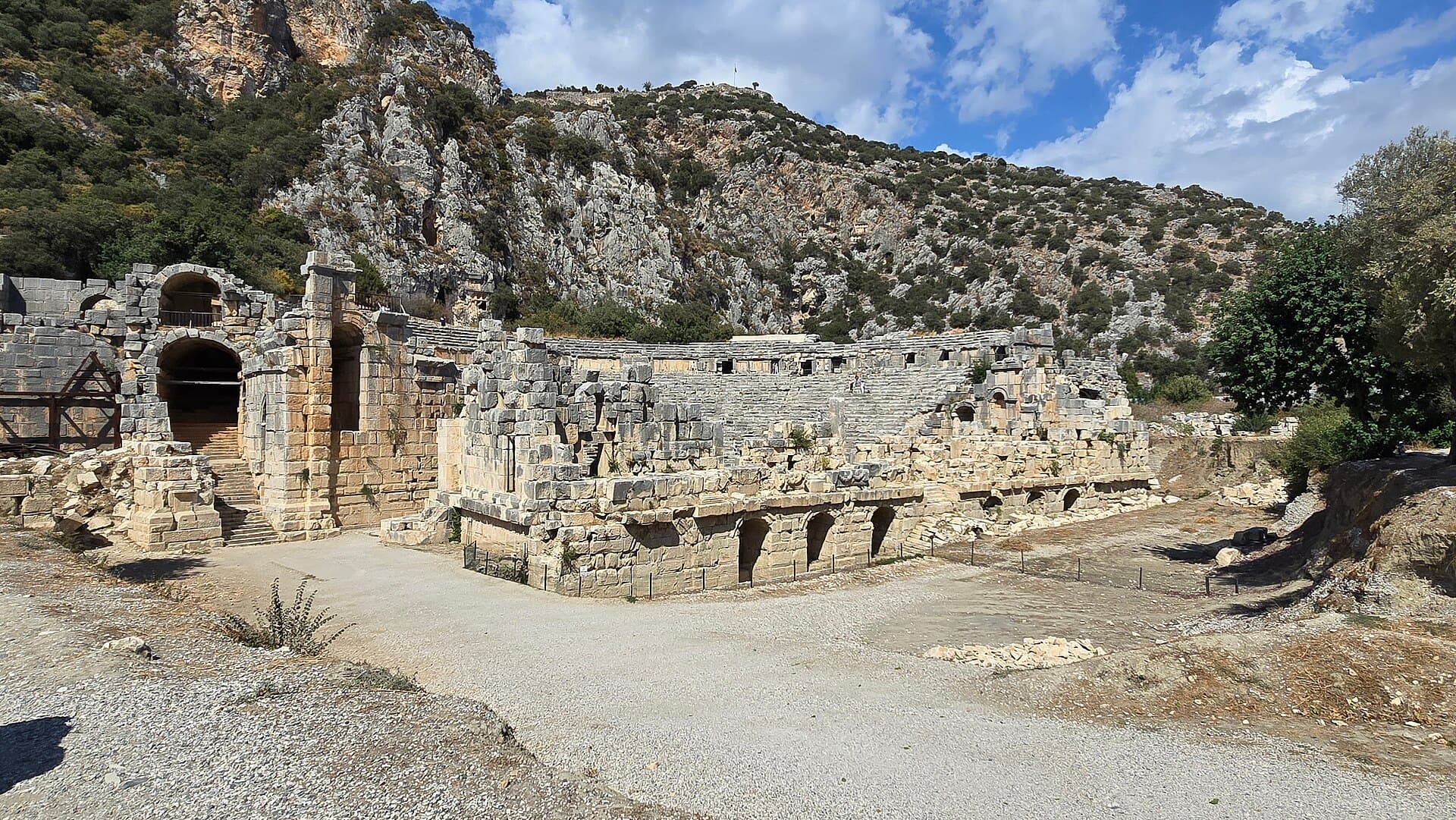
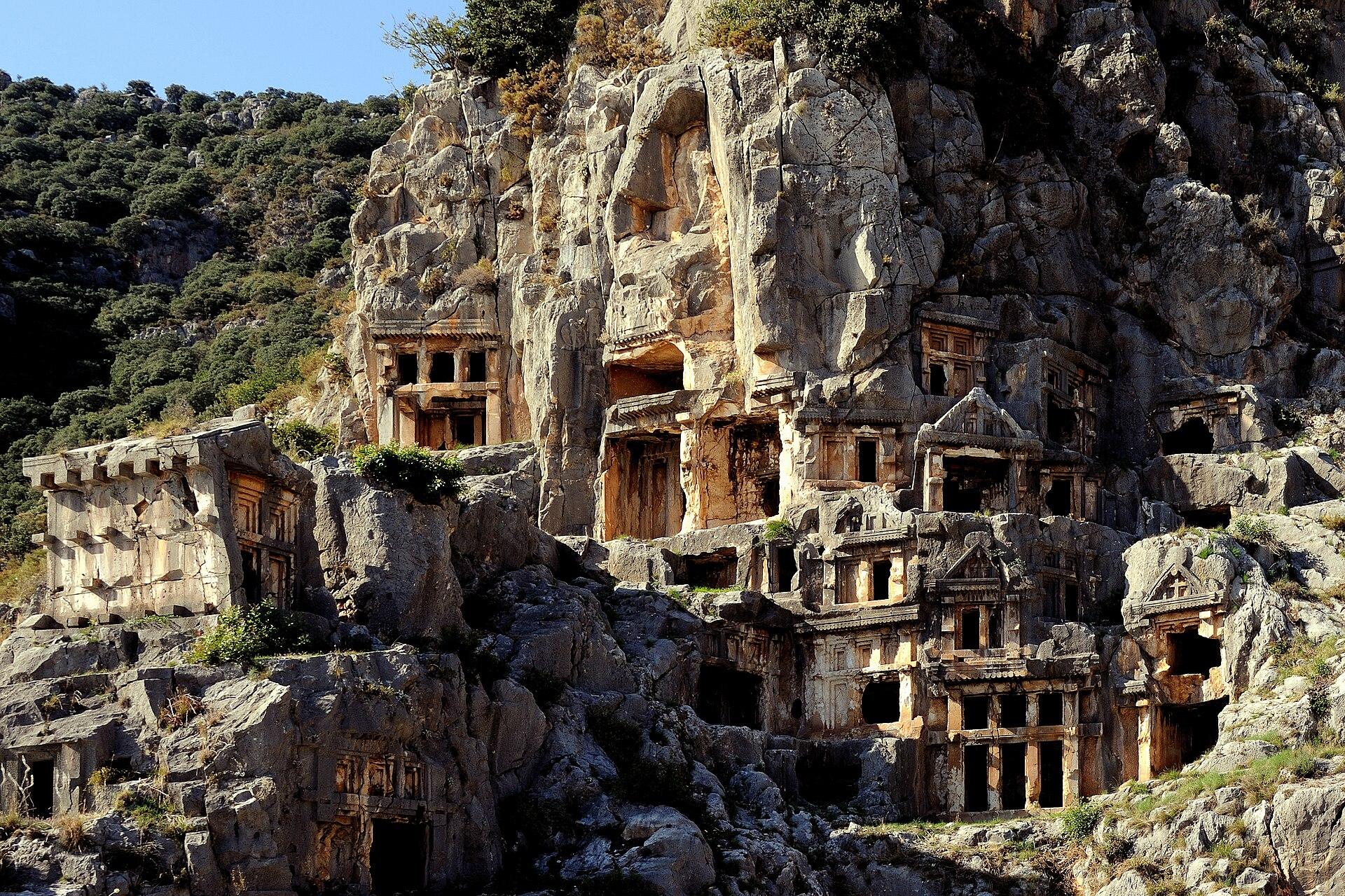
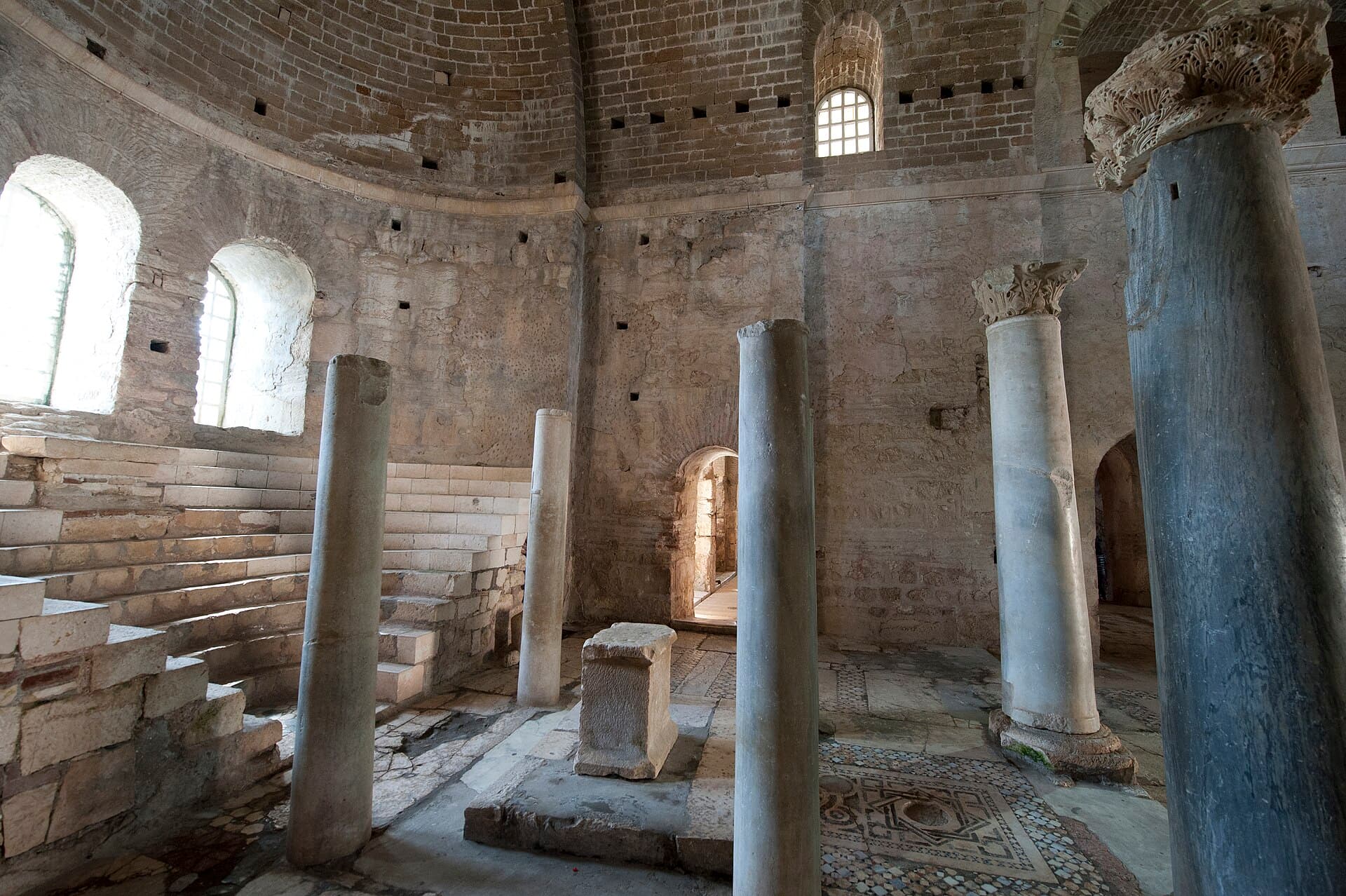
That same soil buried part of the town's history. The church of St Nicholas, bishop of Myra and today's Santa Claus, ended up several metres below the present street level under centuries of silt; that's why you walk down steps to enter it. Myra's theatre and rock tombs, on the slope, stayed above ground, just like my grandparents' houses.
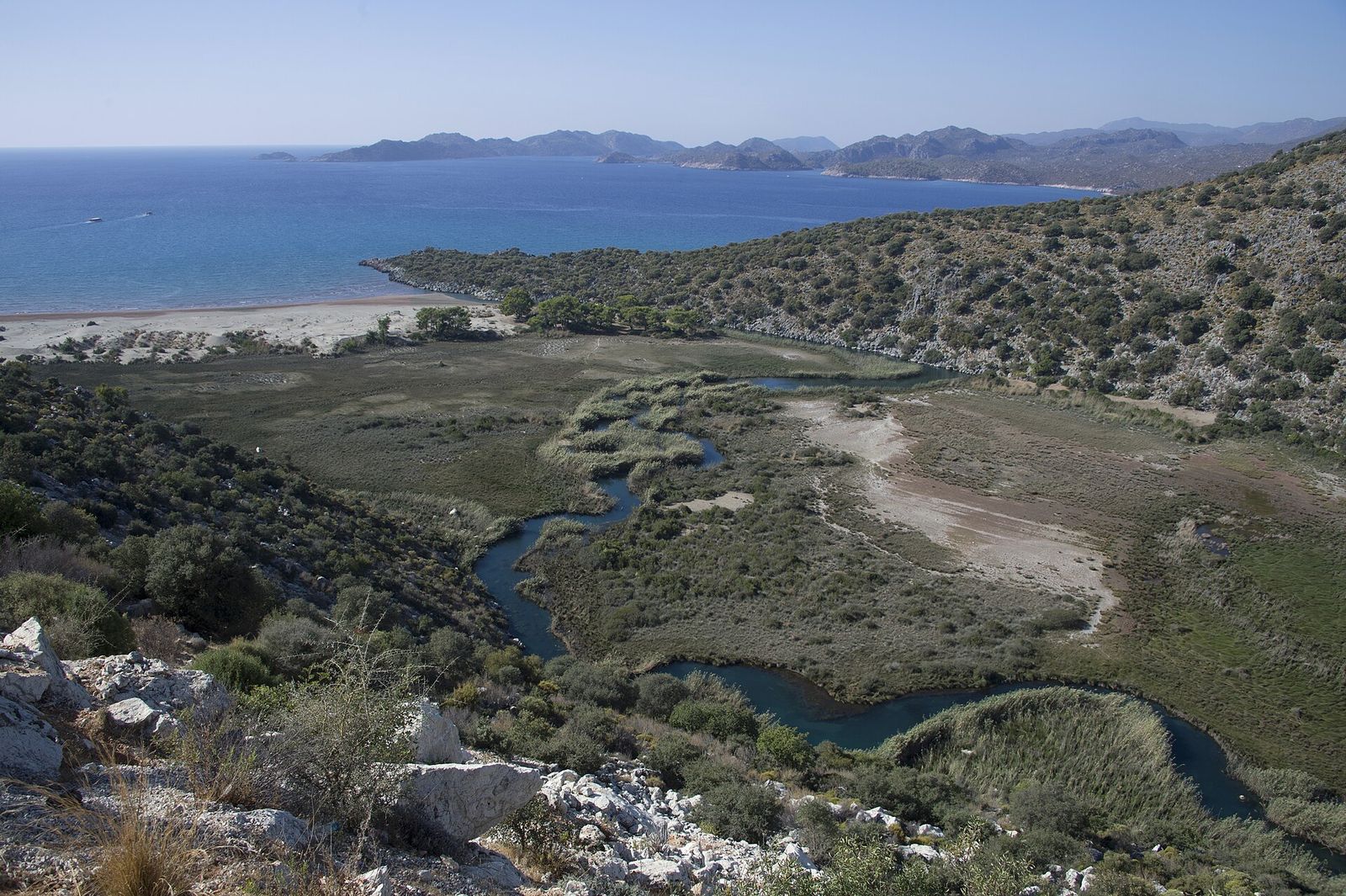
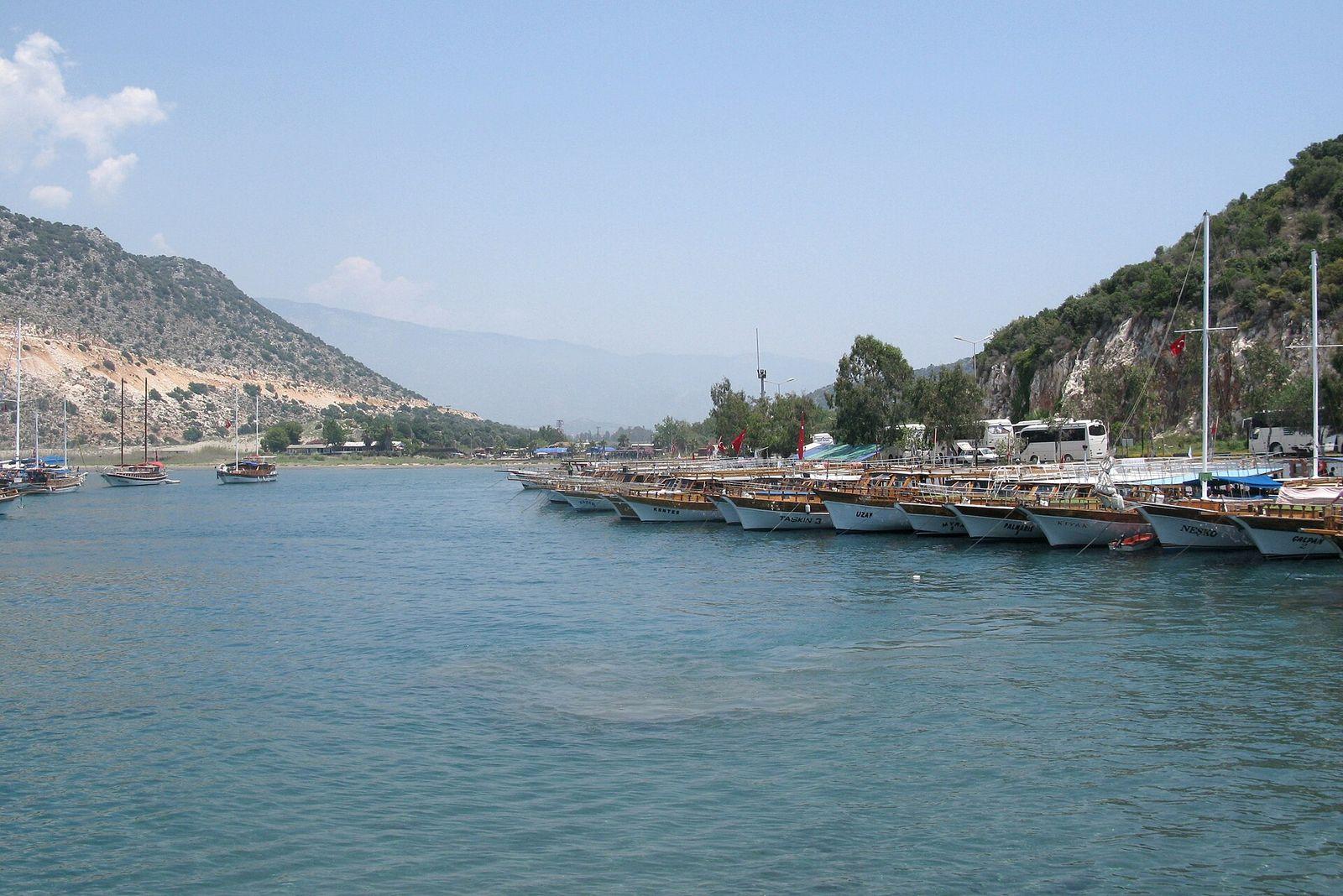
Myra was one of the largest cities of the Lycian League, with three votes. Its harbour, Andriake, was an important stop on Rome's grain route and is remembered as the place where St Paul changed ships on his way to Rome. Today the same harbour, called Çayağzı, is the pier where Kekova boat trips depart.